
Walking into a Sydney club on a Saturday arvo, the noise hits you first. Pokies hum, mates shout over the clatter, and the local casino regulators feel a world away from that smoke-filled room. Most Aussies reckon the rules are the same whether you are pulling a lever at the local or clicking a button at home, but the reality is messier than that. Online operators answer to different overseers depending on where they are licensed, and that gap matters when you are trying to sort a proper site from a flash-in-the-pan. For anyone weighing up where to put a few dollars down, understanding who watches the shop is half the battle, especially when you want to compare timing against notes on ozwin reviews from verified users before you even think about signing up.
What Regulators Actually Do for the Everyday Player
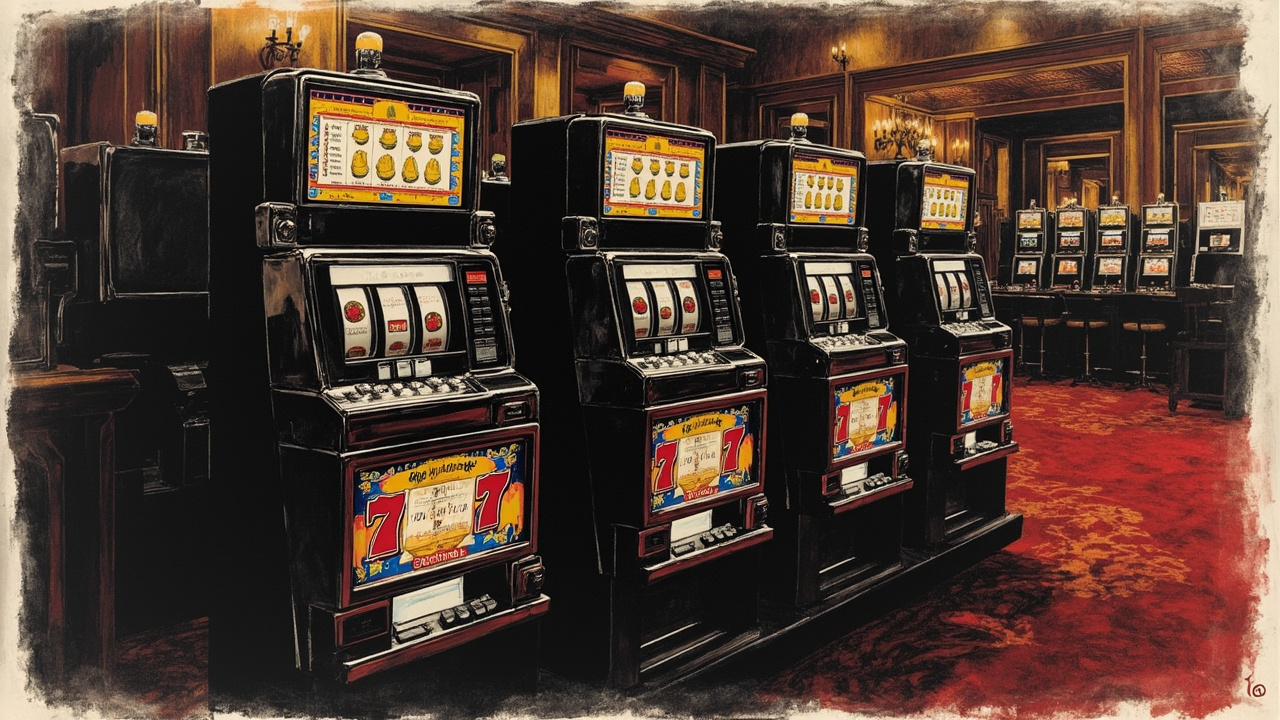
Casino regulators are meant to be the bouncers of the digital floor, checking IDs, watching the money flow, and making sure the games aren’t rigged against the house or the player. In Australia, the framework is a bit of a patchwork because online casino games themselves sit in a grey zone for domestic licensing, which is why many operators hold licences from overseas jurisdictions instead. That doesn’t mean the rules are loose, but it does mean you need to know which badge the site is wearing before you trust it with your card. A proper licence should mean clear terms on bonuses, visible payout records, and a way to complain that doesn’t involve sending a letter to a PO box in the middle of nowhere. When you are scanning a site’s footer, look for the licence number and cross-check it against the regulator’s public register, because a shiny logo alone don’t mean much if the details don’t line up. The best operators make that info easy to find, right next to their banking options and support contacts, so you aren’t digging through three layers of menus just to see who is responsible if something goes pear-shaped.
Interface, Localisation and the Sydney Test
A site can have all the right paperwork and still feel like it was built for someone else if the interface isn’t tuned for the local crowd. Good localisation means more than swapping dollars for euros; it’s about the whole flow feeling familiar, from the navigation labels to the way bonuses are explained in plain English. You want a layout that doesn’t make you hunt for the cash-out button, and currency settings that stick when you switch between games. The visual identity should be clean without being sterile, with search functions that actually find what you type rather than dumping a generic list on you. I have sat in meetings where we walked through aggregator feeds with studios from Europe and the UK, and the difference in how they handle local payment methods and language toggles is stark; some treat localisation as an afterthought, while others build it into the core structure from day one. That sort of attention matters when you are on your phone in a coffee shop near Circular Quay and you just want to check the odds without squinting at a cluttered screen.
Playing the Odds: Pub Pokies Versus Online Realities
There is a world of difference between having a flutter on the Cup and spinning a pokies machine at the local RSL, and the same split applies when you move online. Pub and club machines are tied to a physical location with local oversight, while online play often means dealing with an operator whose primary licence sits overseas. That doesn’t make online play inherently worse, but it does shift where your protections come from and how you sort a solid operator from a risky one. In my work across studios and operators, I have seen how licensing structures vary between markets, and the ones that treat player verification and payout timing as core metrics tend to hold up better when things get busy. Having a flutter on the Cup is a near-universal Aussie ritual, and it sets the tone for how many locals approach wagering in general, but the online space requires a bit more homework because the guardrails aren’t always visible from the outside. You want an operator that treats registration as a straightforward step, not a maze, and that keeps its support team reachable when you need a straight answer about a pending withdrawal. Crownresorts
Frequently Asked Questions
How do I check if a casino regulator is legitimate?
Start by finding the licence number in the site’s footer and cross-referencing it on the regulator’s official register, because a logo alone doesn’t prove anything. A legitimate licence should come with clear terms on bonuses, visible payout records, and a documented complaints process that doesn’t require a lawyer to decode. If the details are buried or the register link is broken, treat that as a warning sign and walk away before you put any money in.
What should I look for in a locally tuned interface?
A locally tuned interface should handle currency, language, and payment methods without making you jump through hoops, and the navigation should feel familiar rather than transplanted from another market. Search should return what you actually typed, and the bonus terms should be written in plain English that doesn’t hide the important bits in a wall of text. If the site feels like it was built for a different crowd and then hastily patched over, that usually shows up in the small friction points. Gamblinghelponline
Can I trust reviews when sorting a reliable operator?
Reviews can be a useful signal, but they work best when you compare them against the operator’s own published records and the licence details you have already checked yourself. Look for patterns in what people are flagging, such as slow transfers or unclear bonus terms, rather than reading a single glowing post as proof of anything. No source is perfect, so treat reviews as one piece of the puzzle alongside the licence check and the interface test.